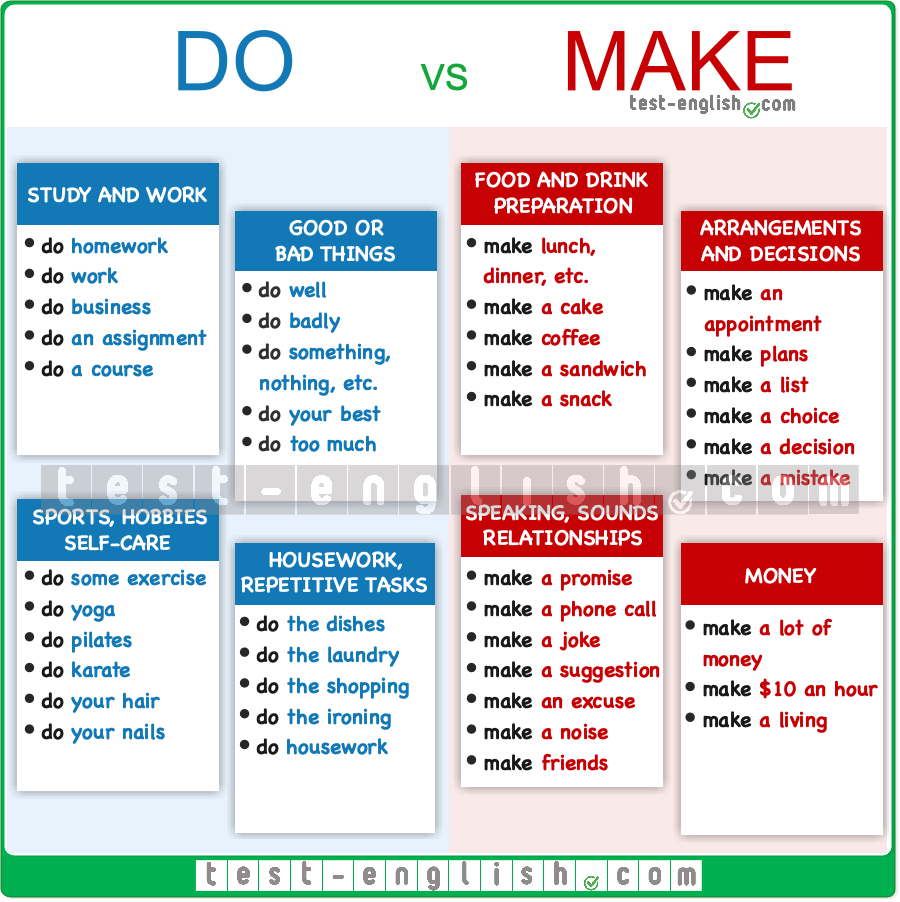
Choose 6 collocations and 6 discourse markers (Student’s Book – Page 89) and use them in a short dialogue with your classmate talking about the winter holidays, the World Cup Final and your plans for this trimester (school/trips/exams/etc.)
🖋️ WRITING
🖋️ Write an essay (150- 200 words)
✔️ Choose one of these statements and think of strong arguments FOR and AGAINST it.
✔️»The primary purpose of the justice system should be the rehabilitation of criminals rather than their punishment.»
✔️»True equality before the law is impossible as long as wealthy individuals can afford superior legal representation.»
📋 Paragraph 1: Introduction (30-40 words)
Objective: Present the topic in general, without giving an opinion yet.
Content: An introductory sentence to “hook” the attention of the reader. Paraphrase the statement you chose and write a sentence stating that there are two opposite opinions/postures about this topic. Ex. «While some argue that…, others believe…»
📋 Paragraph 2: Arguments FOR (55-65 words)
Objective: Develop the arguments in favor of the statement you chose.
Content: Present a solid argument and a clear justification. You can use examples. Use connectors of addition such as «Furthermore», «In addition», etc.
📋 Paragraph 3: Arguments AGAINST (55-65 words)
Objective: Develop arguments against the statement that you chose and show the opposite perspective.
Content: Make a contrast with the previous paragraph. Introduce a clear and strong counterargument using contrast connectors such as “On the flip/other side», “On the other hand”, «In spite of this», «Conversely», etc.
📋 Paragraph 4: Conclusion (30-40 words)
Objective: Close the essay and give a balanced opinion
Content: Make a summary of the opinions on both sides (paraphrasing) and clearly express your opinion. You can use connectors such as: «To conclude, it appears that… because…»
👉 INCLUDE:
👉 2 sentences that start with negative inversion (SB Page 86)
👉 Connectors
👉 Vocabulary related to unit 9: Crime, court cases, fairness and equality, expressions with “on” (on good terms, on his behalf, on the way, on trial)